
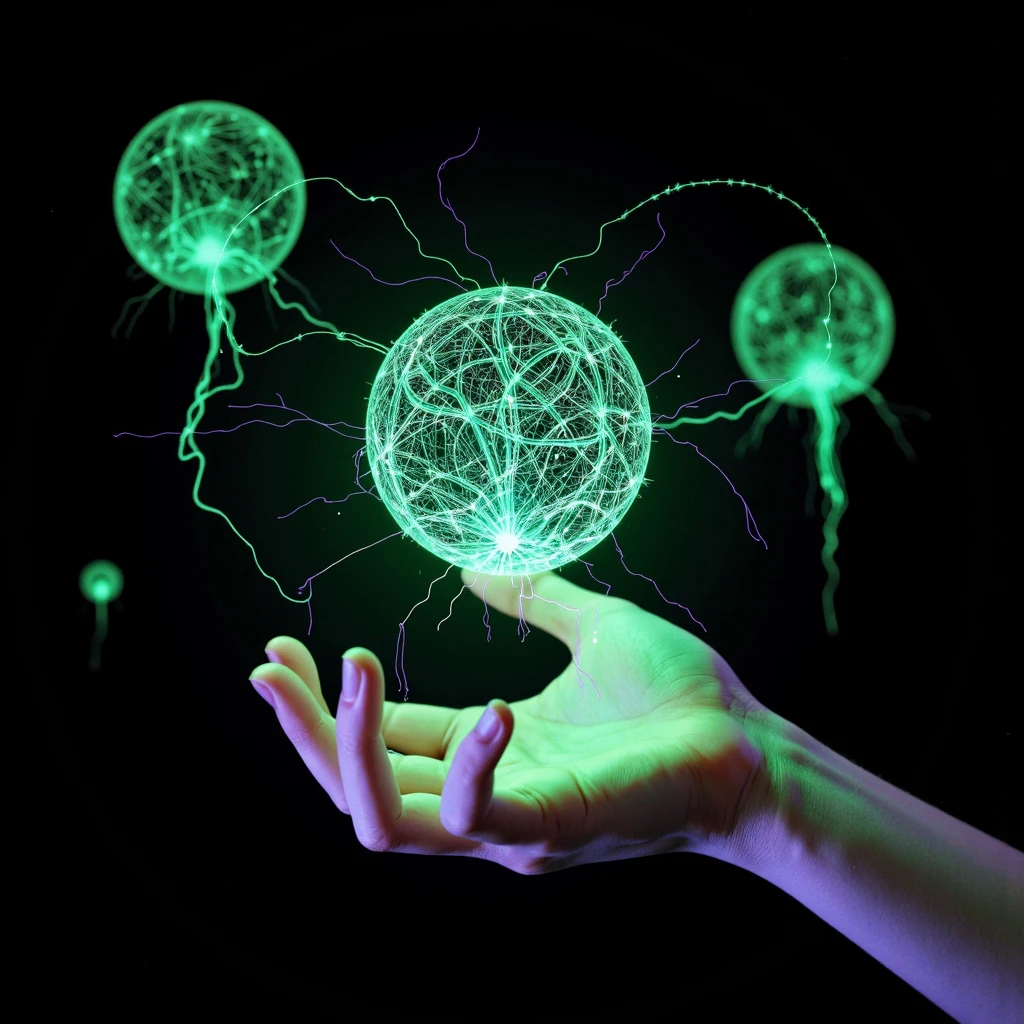
 The Japanese animation industry is undergoing a radical transformation thanks to the adoption of XR technologies that redefine the relationship between fans and iconic content. Two recent examples—the Ghost in the Shell exhibition with AR and the new Evangelion VR game—represent a cultural turning point where artistic heritage and technological innovation merge into surprisingly effective hybrid experiences.
This evolution is not accidental, but part of a broader movement that sees Japan positioning itself as an experimental laboratory where traditional art meets increasingly intuitive digital interfaces. While Western tech giants compete on interface design for AR glasses, Tokyo is already implementing these technologies in real cultural contexts, creating a model of art consumption that could soon spread globally.
Anime Art Breaks Free from Traditional Frames
The Ghost in the Shell exhibition in Tokyo has adopted a revolutionary approach using Xreal Air 2 Ultra glasses to enrich the visitor experience (Source 1). This technology allows digital elements to be overlaid on physical works, transforming the visit into an interactive exploration that transcends the limits of traditional exhibitions.
Simultaneously, for the thirtieth anniversary of Neon Genesis Evangelion, Pixelity presented EVANGELION: Δ CROSS REFLECTIONS, an XR game that abandons physical controllers in favor of hand tracking (Source 2). This choice prioritizes accessibility over interaction precision, signaling a significant paradigm shift in the approach to immersive gaming.
Both projects reflect a clear trend: the artistic experience linked to anime is evolving towards more fluid and immersive forms, where the audience is no longer a passive spectator but an active participant in the narrative.
The Invisible Interface: Minimalist Design for Maximalist Experiences
Google recently unveiled Glimmer, its design language for interfaces intended for glasses with transparent displays and, in the future, for true AR devices (Source 3). This system aims to create intuitive interactions that integrate naturally into the user’s field of view, minimizing distractions.
In parallel, Apple is accelerating the development of its smart glasses, with production expected by December 2026 and a launch in 2027 (Source 8). This move is part of the company’s broader strategy to develop hardware centered on artificial intelligence.
Pico is also preparing to showcase the capabilities of its XR operating system for the “Project Swan” device at the upcoming Game Developers Conference (Source 7). This demonstrates how the entire sector is converging towards user interfaces that are simultaneously powerful and transparent.
The design of these interfaces represents a fundamental challenge: they must be sophisticated enough to support complex experiences, but sufficiently intuitive to be almost invisible during use.
Art and Technology as Tools for Social Change
Mari Katayama, a multidisciplinary Japanese artist, explores themes of identity and corporeality through photography and installations (Source 4). Her work demonstrates how art can serve as a bridge between personal experiences and broader social issues, using media technologies to expand the dialogue.
Similarly, the art collective Cooking Sections is using food-related projects to promote concrete ecological changes through sustainable production and consumption schemes (Source 6). This approach demonstrates how art can transcend the purely aesthetic dimension to become a catalyst for tangible transformations.
Both examples illustrate how art and technology, when integrated consciously, can address crucial contemporary challenges—from environmental sustainability to social inclusion—creating experiences that are simultaneously meaningful and effective.
This convergence raises important questions about the responsibility of artists and technology developers in shaping a more equitable and sustainable future.
Digital Sustainability: The Hidden Cost of Innovation
The expansion of immersive technologies and artificial intelligence entails a growing environmental impact, mainly linked to the energy required by data centers. A provocative proposal suggests moving these centers into space to reduce their impact on the planet (Source 5).
This idea, however futuristic, highlights a real concern: the ecological footprint of new artistic and immersive technologies is significant and often overlooked in discussions about their cultural value.
The issue of digital sustainability becomes particularly relevant when we consider the acceleration of AR/VR device development and the growing demand for increasingly sophisticated immersive experiences. How can we balance technological innovation and environmental responsibility?
Projects like those of Cooking Sections (Source 6) offer possible models, demonstrating how technologically mediated art can raise public awareness of ecological issues and promote concrete changes in behavior.
Conclusion: Towards an Aesthetic of Responsibility
The intersection of Japanese anime, contemporary art, and immersive technologies represents fertile ground for rethinking the role of art in the digital society. It is not simply about creating more engaging experiences, but about developing new aesthetic languages that can address the challenges of our time.
The augmented exhibitions of Ghost in the Shell, the immersive games of Evangelion, and the artistic interventions of Mari Katayama and Cooking Sections demonstrate how these technologies can be used to create deeper connections between art, the public, and urgent social issues.
While tech giants like Google, Apple, and Pico compete to define the future of immersive interfaces, artists and curators have the opportunity to guide the evolution of these technologies towards more meaningful and responsible uses.
The true revolutionary potential of augmented and virtual reality does not lie in their ability to create alternative worlds, but in the possibility of transforming the way we perceive, understand, and interact with the real world, with all its complexities and contradictions.
References:
- How Tokyo’s Ghost in the Shell Exhibition Embraces AR
- Evangelion VR Game Will Primarily Use Hand-tracking, Increasing Ease-of-use at Cost of Interaction Fidelity
- Google Details Glimmer, Its UI Design Language For HUD & AR Glasses
- Mari Katayama – V&A Parasol Foundation Women in Photography commission ‘tree of life’
- Could AI Data Centers Be Moved to Outer Space?
- Art collective Cooking Sections’ food projects are helping save the planet
- Pico to Showcase VisionOS and Android XR Competitor at GDC Next Month
- Apple Reportedly Accelerates Smart Glasses Development Amid Wider Push for AI Hardware
This essay was generated using an artificial intelligence workflow designed and supervised by Enzo Gentile. The sources were automatically selected and analyzed, and the final text was critically reviewed before publication.